
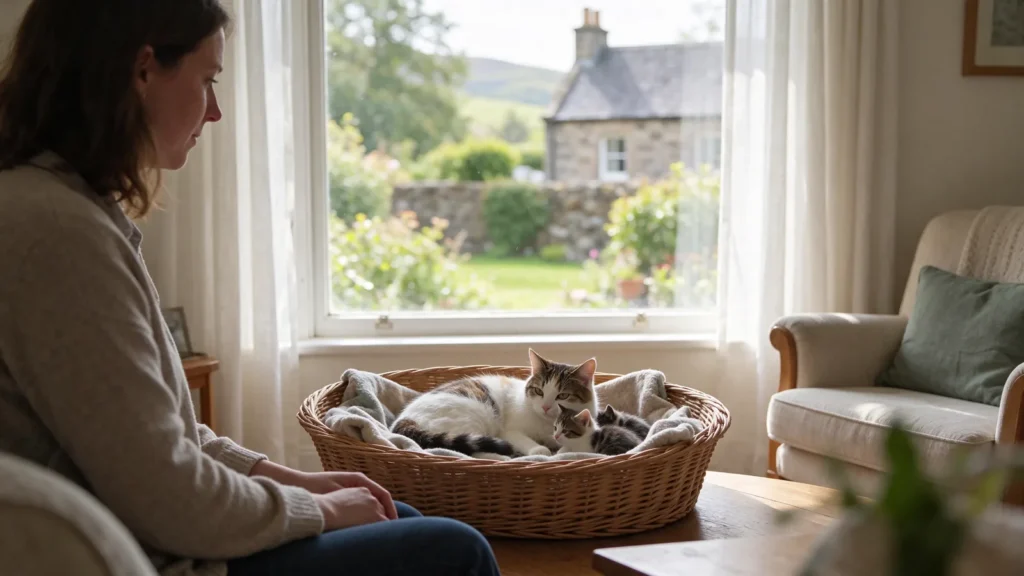
Searching for cat breeders in Scotland? Start with the breeder’s care practices, not just breed, color, or price. A responsible breeder should welcome questions, explain breed health needs, show where kittens are raised, and provide clear records. Registration or a licence can help, but neither replaces your own welfare checks. RSPCA
Scotland has a specific licensing threshold for cat breeding. Knowing the rule—and what to ask before paying a deposit—can help you decide with confidence.
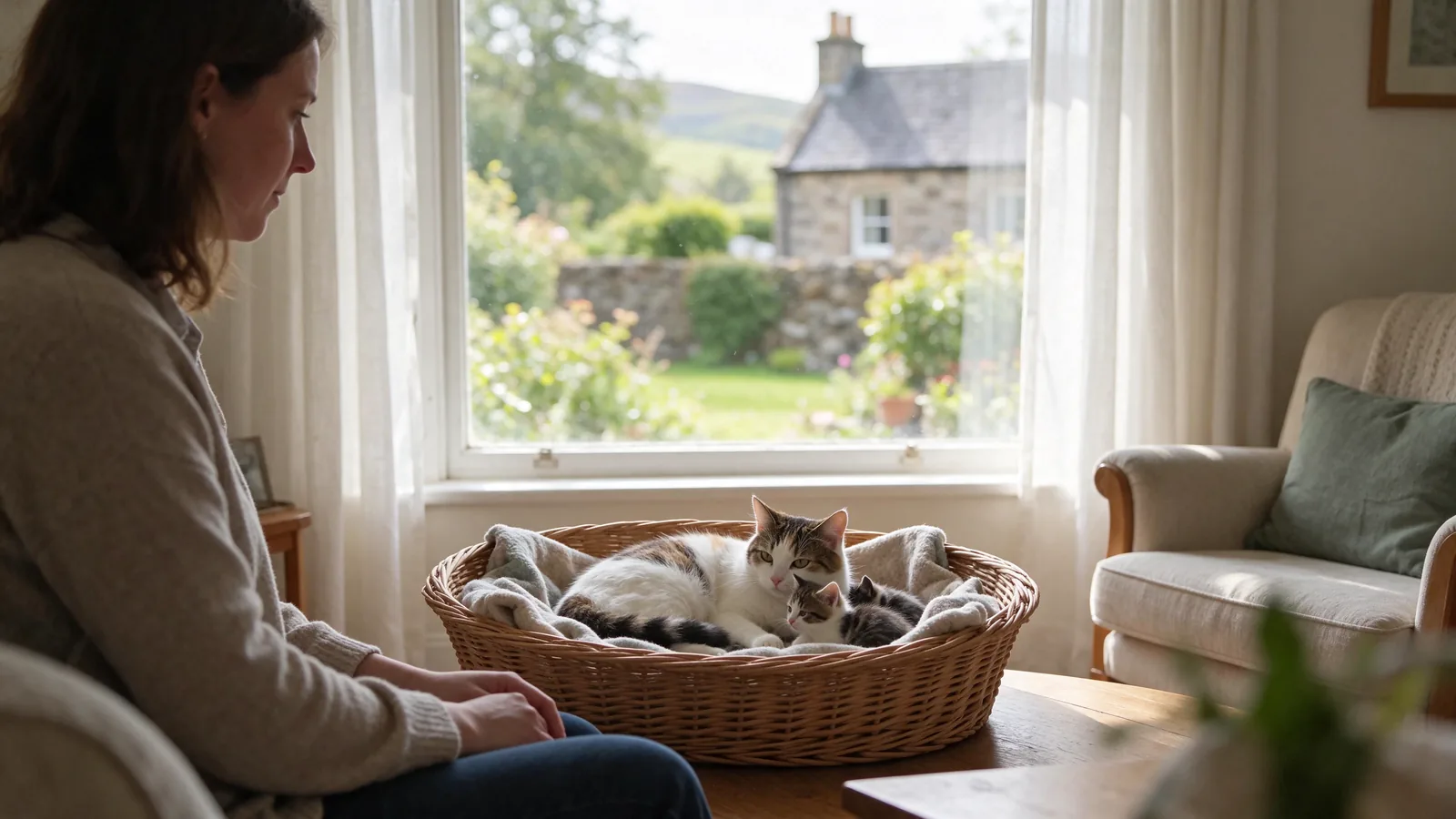
An in-person visit lets you observe the kitten’s home and ask the breeder questions.
Where to start looking for a cat breeder in Scotland
For a pedigree kitten, start with a recognized cat registry or the breed club. The GCCF Breeder Scheme map and breed-club contacts can help you find breeders and understand registration paperwork. Still visit and assess the breeder’s practices.
Learn what the breed is like as an adult: grooming needs, activity level, likely health issues, and whether its behavior suits your home. The RSPCA recommends researching inherited conditions and asking to see relevant health-screening results for the parents. Tests vary by breed; ask which are recommended and discuss results with your vet. RSPCA
You need not buy a pedigree kitten to find a companion. Local rescues may have kittens, adults, and cats with known backgrounds. See Cats Protection and the Scottish SPCA adoption information.
What Scotland’s cat-breeding licence rule says
Scottish Government guidance for the Animal Welfare (Licensing of Activities Involving Animals) (Scotland) Regulations 2021 says a person in Scotland who breeds three or more litters of kittens in any 12-month period must be licensed, whether kittens are sold or supplied another way. Scottish Government guidance
If a breeder appears to meet that threshold, ask for local-authority licence details and check with the council that issued it. A licence does not guarantee that every kitten is healthy or the breeder is right for you; it is one point to verify. For uncertainty about a seller, ask the relevant council rather than relying on an advert or social-media comment.
Questions to ask before arranging a visit
Ask when the kittens were born, whether you can see them with their mother, where they are raised, what veterinary care they received, and what screening was done for the parents. Ask what food and litter they use so you can avoid unnecessary changes after the move. A responsible breeder should discuss temperament, routine, socialisation, and health risks—and ask about your home too. It should feel like a two-way decision, not a sales pitch.
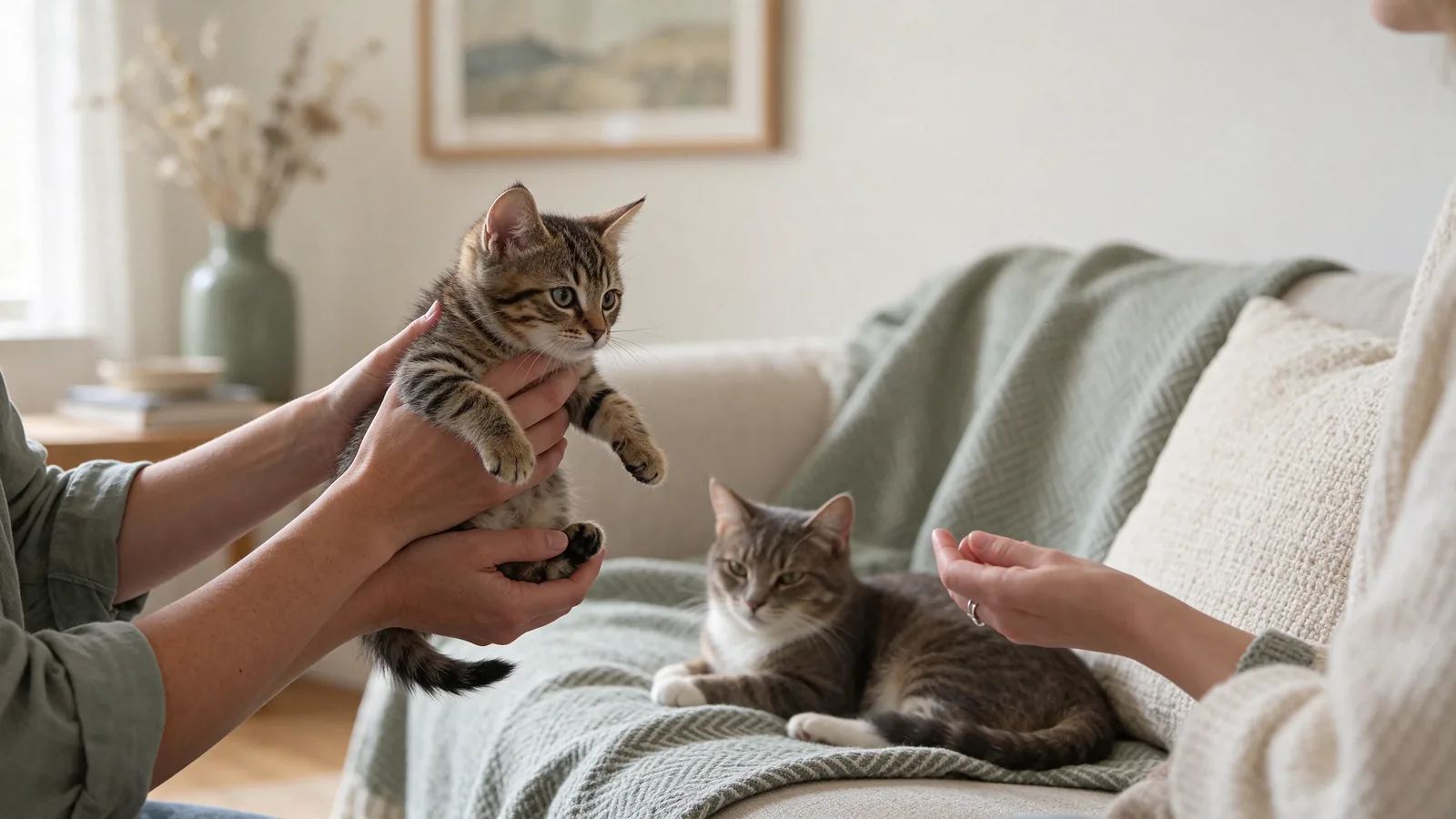
The kitten should be handled calmly and the mother should be nearby, not hidden without explanation.
What to check during the visit
See the kitten where it has been raised. Look for a clean, safe, comfortable space with room to rest, play, and interact. Notice whether kittens seem alert and curious for their age and whether the mother appears reasonably settled. You are looking for ordinary signs of a cared-for home, not a showroom.
Ask to see the mother with the litter. If she is unavailable, ask why and verify the explanation. Cats Protection advises visiting in person and being cautious about video-only sales, which may not prove where or with whom the kitten is being raised. Do not feel pressured to decide on the spot. Cats Protection
Ask for veterinary records and details of vaccinations, parasite treatments, and microchipping. For GCCF-registered kittens, the GCCF describes pedigree and registration documents and a vaccination record as paperwork, and recommends leaving at 13 weeks or older. Treat that as GCCF guidance, not a universal legal minimum for Scotland. GCCF
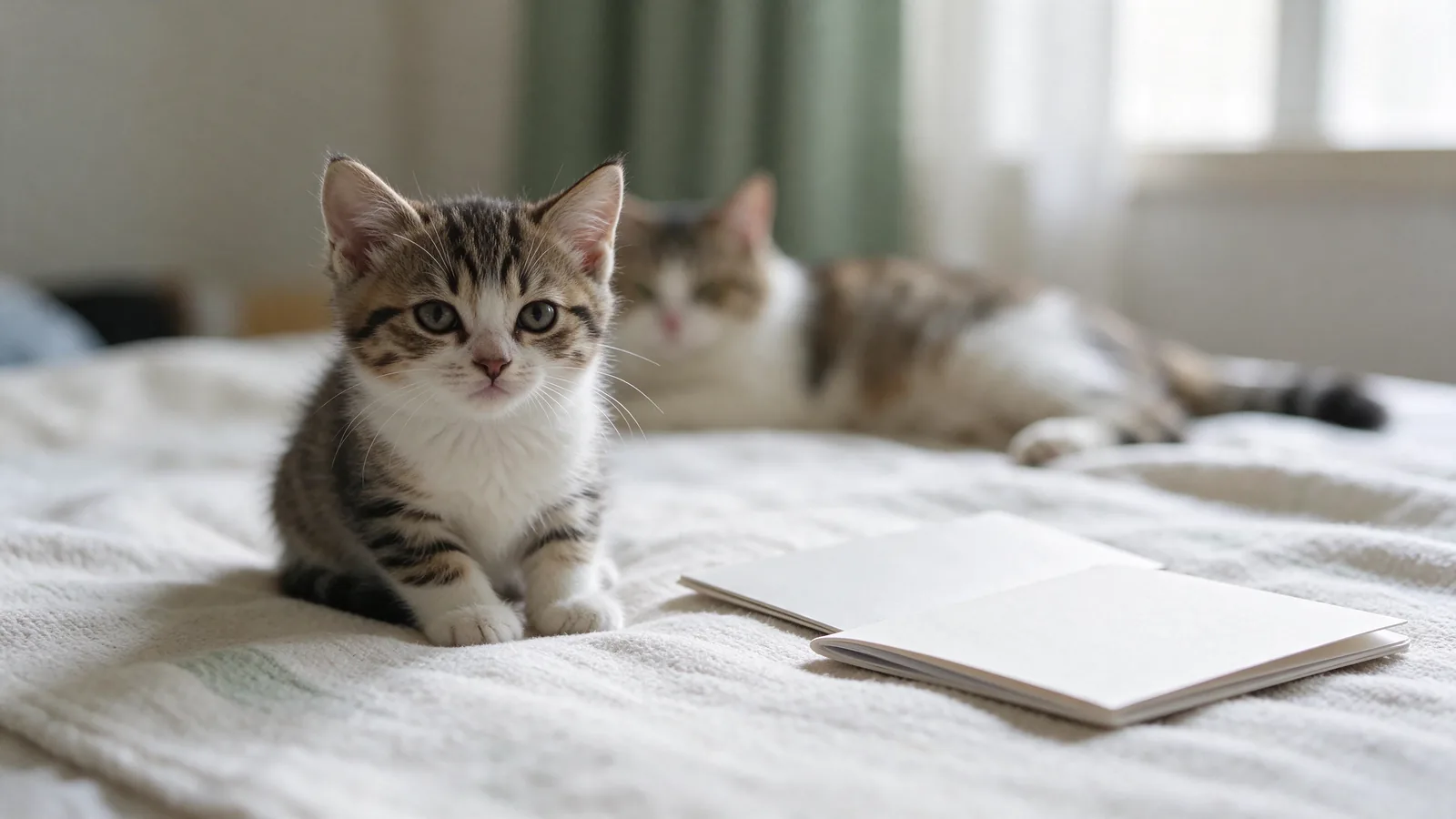
Read the kitten’s records before agreeing to take them home.
Red flags that are a reason to pause
Pause if you are rushed to pay before seeing the kitten, the seller refuses an in-person visit, the mother is repeatedly unavailable without a credible reason, or no health history is offered. Be cautious about delivery-only offers or car-park handovers, cramped or dirty conditions, and dismissive answers about breed health.
A low price or urgent offer is not proof of a problem, but pressure and missing information deserve attention. Verify who you are dealing with and understand written deposit terms, including refunds and what happens if a vet finds a serious concern, before sending money.
How old should a kitten be before coming home?
The RSPCA says kittens should not be homed before eight weeks. GCCF recommends its kittens leave at 13 weeks or older and at least seven days after completing their vaccination course. These are different standards; ask which guidance applies and request birth and vaccination dates in writing. RSPCA GCCF
Getting ready to bring your kitten home
Ask what food and litter the kitten knows, and keep them familiar at first. Prepare a quiet room with a secure carrier, resting place, food, water, and a litter tray away from feeding areas. Scottish SPCA recommends a quiet starter room, letting a new cat explore at its own pace, and registering with a vet soon after arrival. Scottish SPCA
If toileting habits change after the move, a vet can help rule out a health issue. Read our guide to why a cat may pee or poop outside the litter box for common setup and behavior factors.
Take your time—and be willing to walk away
Finding a responsible cat breeder in Scotland may take patience, especially if you have a particular breed or location in mind. Waiting for the right litter is safer than accepting a rushed sale. Verify paperwork, learn about care and health, and notice whether the breeder is open with you. If something feels wrong, step back and consider another breeder or a rescue cat.
This is general buyer guidance, not legal advice. Check current Scottish Government rules and the relevant local authority for licensing questions.